
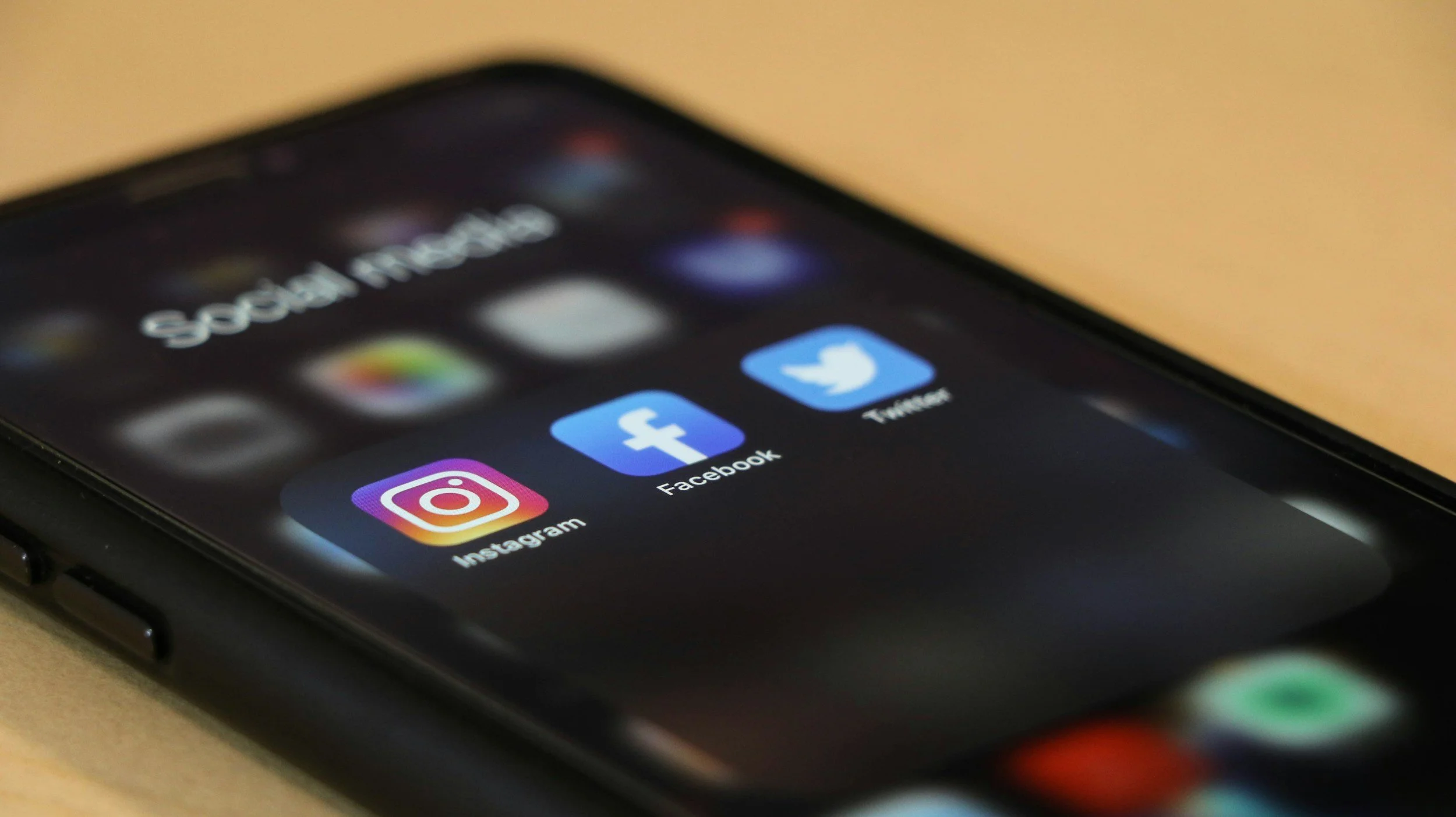
Do I Really Need a Website If I Already Have Social Media?
A lot of small business owners in Canada and the U.S. ask the same question: If I’m already posting on Instagram, TikTok, or Facebook, do I really need a website? And honestly, it makes sense why this comes up. Social media feels easy, fast, and free — but it’s not the whole picture.
Here’s the thing: social media is rented space. You can build an audience, create content, and grow your brand, but you don’t actually own any of it. One algorithm change, one glitch, or one unexpected account lock, and suddenly your entire online presence is out of your hands. A website, on the other hand, is your digital home. You own it, you control it, and no platform can take it away from you.
And let’s be real — when someone finds your business on social media, most people immediately look for a website. It’s a trust signal. It shows you’re legit. It gives customers a place to learn about your services, see your pricing, read testimonials, browse your portfolio, or book an appointment without digging through posts or DMs. A website makes your business feel established in a way social media alone just can’t.
Another big thing: Google. Social media doesn’t help you show up when someone searches “local photographer in Toronto” or “best cleaning service in Chicago.” That’s where SEO comes in, and SEO lives on your website. If you want people to find you through Google — not just through hashtags or shares — a website is essential.
Social media is amazing for building community and showing personality, but it’s not built for conversions. Your website is where people actually take action. It’s where they book, buy, contact, or sign up. No distractions, no algorithm, just your business doing what it’s meant to do.
The truth is, you don’t have to choose one or the other. Social media brings people in. Your website turns them into customers. When you use both together, your online presence becomes stronger, more stable, and way more effective.
So yes, social media matters — but it’s not enough on its own. A website gives your small business the credibility, control, and long‑term stability that every entrepreneur needs, whether you’re in Canada or the USA.
How can Write With Me Help?
If reading this has you thinking, “Okay… maybe it’s time for a real website,” that’s exactly what I’m here for. My whole mission with Write With Me is to help small businesses build a strong, affordable online presence without the stress, confusion, or agency‑level price tags.
Whether you’re starting from scratch or upgrading from social‑media‑only mode, I can help you create a website that feels like you — professional, modern, and built to convert.
Whenever you’re ready to take that next step, I’m here to make the process simple and actually enjoyable.

How Much Does a Small Business Website Cost in 2026?
A Practical Guide for Small Business Owners in Canada & the USA
Building a website in 2026 isn’t just a “nice-to-have”—it’s the foundation of your digital presence. Whether you’re a startup in Toronto, a contractor in Calgary, a boutique owner in New York, or a service provider in Los Angeles, your website is often the first impression customers get. And naturally, one of the biggest questions small business owners ask is: How much does a small business website cost in 2026?
Recent industry data shows that most small businesses can expect to invest between $2,500 and $10,000 upfront, with ongoing costs ranging from $50 to $300 per month depending on hosting, maintenance, and marketing tools.
Average Website Costs for Small Businesses in 2026
Most small business websites fall into these ranges:

DIY Website Builders (Wix, Squarespace)
Typical Cost (CAD/USD): $0–$1,000
Best for: Startups, hobby businesses

Basic Small Business Website (5–10 pages)
Typical Cost (CAD/USD): $2,500–$10,000
Best for: Service providers, local businesses, trades

Custom Website (advanced features, branding, SEO)
Typical Cost (CAD/USD): $10,000–$50,000+
Best for: Growing companies, e‑commerce, franchises
What Actually Determines Website Cost?
Website pricing varies widely because every business has different needs. Key factors include:
1. Design & Branding
Custom design vs. template
Professional branding, photography, or video
UX/UI tailored to your audience
2. Functionality
Online booking systems
E‑commerce stores
Membership portals
CRM integrations
3. Content Requirements
Copywriting
Blog setup
Product descriptions
SEO optimization
4. Developer or Agency Expertise
Canadian and U.S. web design agencies vary significantly in pricing depending on experience, location, and specialization
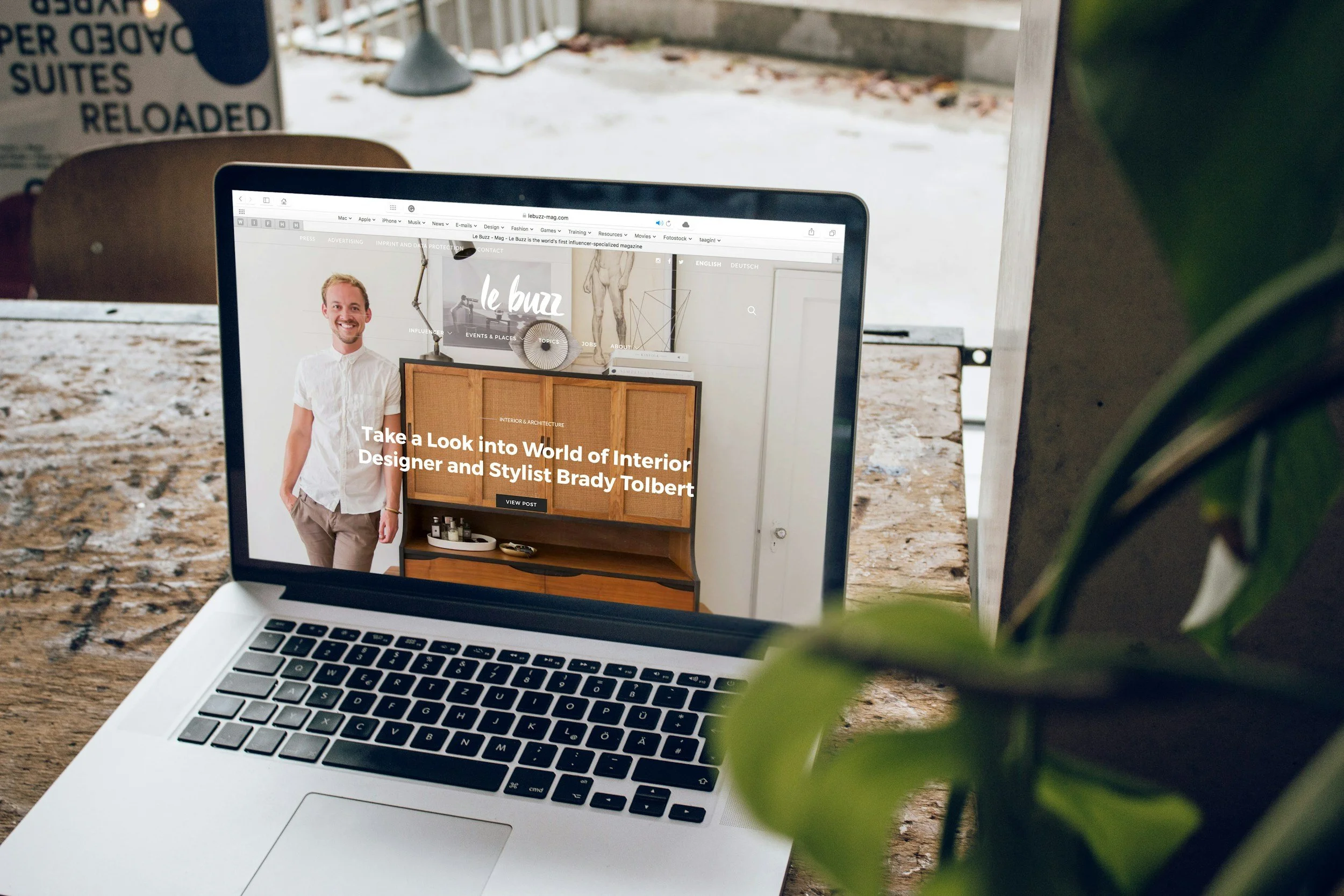
Website Costs in Canada vs. the USA
While pricing is similar across both countries, here are some regional insights:
Canada
Web design agencies in cities like Toronto, Vancouver, and Calgary often charge $3,000–$15,000 for small business websites.
Costs vary widely due to differences in agency size and project complexity.
United States
U.S. small business websites typically fall within the $2,500–$10,000 range.
Larger agencies or specialized developers may charge significantly more for custom builds.
Ongoing Monthly Costs in 2026
Even after launch, websites require upkeep. Expect:
Hosting: $10–$50/month
Maintenance & Security: $50–$200/month
SEO & Marketing Tools: $20–$150/month
E‑commerce Fees: Platform‑dependent
These recurring costs ensure your website stays secure, fast, and competitive.
A More Affordable Path for Small Businesses
At Write With Me, the vision is simple: make high‑quality website design accessible to every small business, whether you’re just starting out or scaling your online presence. That means offering professional, mobile‑friendly, SEO‑optimized websites at a fraction of the traditional cost—without cutting corners on quality, strategy, or support.

Top Productive Habits to Start in 2026 for a More Successful Year
As we approach 2026, it's the perfect time to reflect on our habits and consider how we can improve our productivity in the new year. Whether you're a student, a professional, or just someone looking to make the most of each day, embracing positive habits can set you on the path to success.
As we approach 2026, it's the perfect time to reflect on our habits and consider how we can improve our productivity in the new year. Whether you're a student, a professional, or just someone looking to make the most of each day, embracing positive habits can set you on the path to success.
Here are six productive habits that you can consider adding into your daily routine this coming year!

2026: Build Momentum, Not Stress.
Wake Up Early to Start Your Day
There’s something magical about waking up early. It’s peaceful, quiet, and gives you a head start on your day before the rest of the world wakes up. Waking up early allows you to set the tone for your entire day—whether that means enjoying a slow cup of coffee, journaling, meditating, or squeezing in a quick morning workout. When you give yourself this intentional time, you’ll notice you feel more focused, energized, and mentally prepared for whatever comes next.
Early mornings also create space for healthy habits, better productivity, and improved mental clarity. Without distractions, you can plan your day, review your goals, or simply enjoy a moment of stillness. Studies consistently show that early risers experience higher levels of motivation and are more likely to stay consistent with their routines. If you’re looking to boost your productivity, reduce stress, and build a more balanced lifestyle, waking up early is one of the most powerful habits you can start.
2. Get a Planner
In this digital age, it’s easy to rely on apps and reminders on our phones, but there’s something wonderfully satisfying about putting pen to paper. A planner can help you prioritize your tasks, set goals, and keep track of important deadlines. Plus, the act of writing things down can help you remember them better. The reason why I use a planner is honestly for the positive feeling I get when I am crossing something off from my to-do list!
The key here is to choose a planner that resonates with you, whether it's a simple notebook or an elaborate organizational system.
3. Try Time Blocking
Time blocking is a powerful time management technique that involves dividing your day into dedicated blocks of time for specific tasks or activities. Instead of multitasking or jumping between responsibilities, time blocking helps you stay focused and significantly reduces distractions. To get started, identify your most important tasks and assign clear time slots to work on each one. This creates a structured daily routine that supports better productivity and mental clarity.
By consistently sticking to your time blocks, you’ll notice that you can accomplish more in less time because your attention is fully directed toward one task at a time. Time blocking also makes it easier to prioritize your workload, avoid procrastination, and maintain a balanced schedule. Whether you're trying to boost productivity, improve focus, or create a more organized day, time blocking is one of the most effective habits you can build.
4. Saying "No"
In a world filled with endless opportunities and commitments, learning to say no is one of the most powerful skills you can develop. It’s easy to overcommit, which can lead to burnout and decreased productivity. Evaluate your commitments and determine what aligns with your goals. By saying no to the things that don’t serve you, you create space for what truly matters, allowing you to invest your time and energy where it counts.
5. Try a Regular Tech Detox
Technology has become an integral part of our lives, but constant connectivity can lead to burnout and distraction. Schedule regular tech detoxes—whether it’s a few hours each day or a whole weekend—where you unplug from your devices. Use this time to engage in offline activities like reading, hiking, or spending quality time with loved ones. You’ll be surprised at how refreshed and inspired you feel after taking a break from screens.
6. Take Breaks
It’s easy to fall into the trap of working nonstop, but research shows that taking regular breaks can significantly improve productivity, focus, and overall mental well‑being. Instead of pushing through hours of uninterrupted work, make it a habit to step away every so often. Even a short break—like a quick walk, light stretching, or a few deep breaths—can help reset your mind and restore your energy levels.
Incorporating intentional breaks into your daily routine reduces burnout, boosts creativity, and supports better time management. When you return to your tasks with a refreshed mindset, you’re more likely to stay motivated and perform at a higher level. If you want to maintain a healthier work‑life balance and get more done in less time, prioritizing short, meaningful breaks is one of the most effective habits you can build.